Archives March 2023

Obsessive Compulsive Disorder

Obsessive Compulsive Disorder

Obsessive Compulsive Disorder (OCD) is a mental disorder characterized by the presence of unwanted, intrusive thoughts or obsessions that lead to repetitive behaviors or compulsions. These obsessions can range from fear of contamination, fear of causing harm to oneself or others, fear of losing control, fear of symmetry, or fear of taboo thoughts.

OCD can be a debilitating condition that can significantly impact a person’s quality of life. Many people with OCD spend hours each day engaging in repetitive behaviors, such as washing their hands, checking locks, or counting objects, in an attempt to alleviate their anxiety caused by their obsessions.

The exact cause of OCD is unknown, but it is believed to be related to both genetic and environmental factors. Research has shown that certain brain abnormalities and imbalances in neurotransmitters, such as serotonin and dopamine, may play a role in the development of OCD.

It is essential to note that everyone experiences intrusive thoughts at some point in their life, but individuals with OCD have difficulty controlling them. These thoughts can cause intense anxiety and distress, leading to the development of compulsive behaviors as a coping mechanism.

Treatment for OCD typically involves a combination of medication and therapy. Antidepressants such as selective serotonin reuptake inhibitors (SSRIs) have been shown to be effective in reducing symptoms of OCD by altering neurotransmitter levels. Cognitive-behavioral therapy (CBT) is another common form of treatment that focuses on changing negative thought patterns and helping individuals develop coping mechanisms to manage their obsessions.

Living with OCD can be challenging, but there are things individuals can do to manage their symptoms. Developing a routine and structure can help reduce anxiety and provide a sense of control. Finding healthy coping mechanisms such as exercise, meditation, or creative outlets can also be beneficial in reducing stress levels.

It is important to seek help if you or someone you know is experiencing symptoms of OCD. With the right treatment and support, individuals with OCD can learn to manage their symptoms and improve their quality of life. Remember, seeking help is a sign of strength, and no one has to suffer alone.

Psychiatric Management of Anxiety

Psychiatric Management of Anxiety

Anxiety is a common mental health condition that affects millions of people worldwide. It can interfere with daily functioning, making it difficult for individuals to perform even simple tasks. While anxiety can be managed with medication, therapy, or a combination of both, psychiatric management is an important aspect of the treatment process.

Psychiatric management of anxiety involves the identification of underlying causes, triggers, and symptom patterns of the condition. This can be done through a thorough psychiatric evaluation, which includes a comprehensive medical history, a physical exam, and a review of symptoms. Once the underlying causes are identified, an individualized treatment plan can be developed.

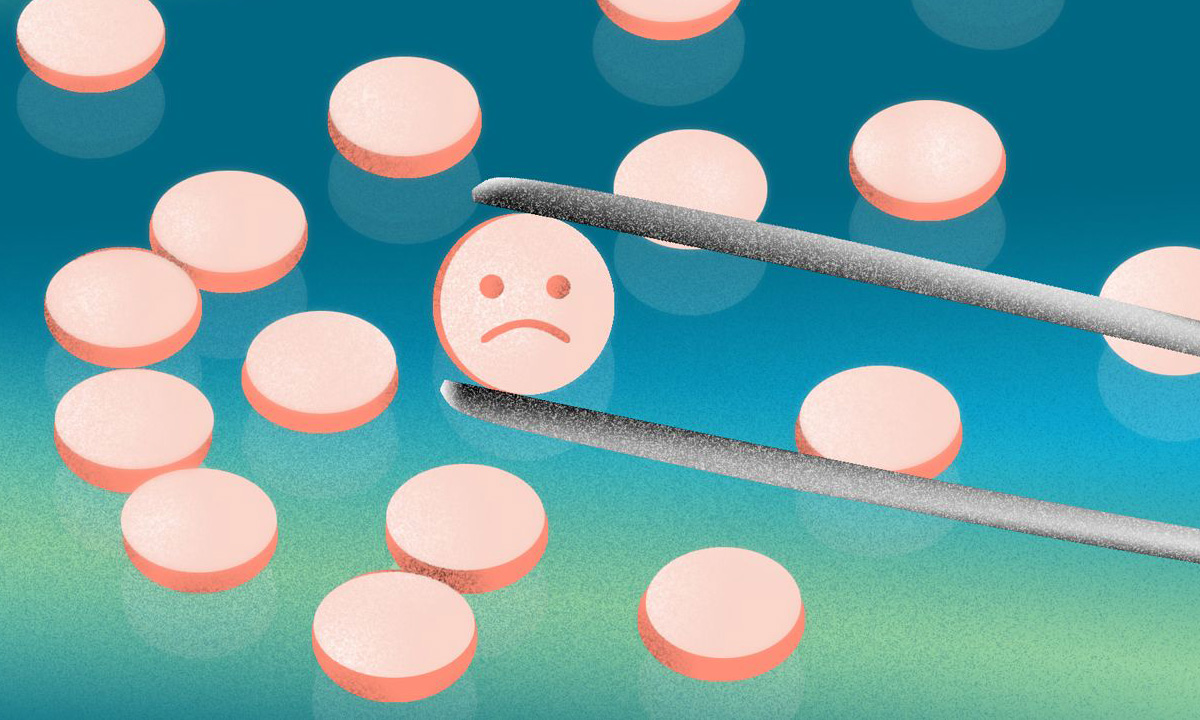
Psychiatric management of anxiety may include pharmacotherapy, psychotherapy, or a combination of both. Antidepressants, benzodiazepines, and beta-blockers are commonly prescribed medications for anxiety. These medications work by altering the levels of neurotransmitters in the brain, which helps to reduce the symptoms of anxiety.

Psychotherapy, on the other hand, involves talking with a mental health professional about the anxiety and learning coping skills to manage symptoms. Cognitive-behavioral therapy (CBT) is a common type of psychotherapy used to treat anxiety. It focuses on changing negative thoughts and behaviors that contribute to anxiety.

Psychiatric management of anxiety also involves regular follow-up appointments with a mental health professional to monitor the effectiveness of treatment and make adjustments as needed. It is important to keep track of any changes in symptoms, medication side effects, and other concerns that may arise.

In conclusion, anxiety is a common mental health condition that can be effectively managed with the help of psychiatric management. Treatment typically involves a combination of medication and psychotherapy, and regular follow-up appointments are important to ensure that the treatment plan is working effectively. With proper management, individuals with anxiety can improve their overall quality of life and achieve their personal goals.

Antidepressants in Daily Life

Antidepressants in Daily Life

Antidepressants are prescription medications used to treat various mental health conditions, including depression, anxiety, and obsessive-compulsive disorder. They work by altering the balance of chemicals in the brain that affect mood, such as serotonin, dopamine, and norepinephrine.

In daily life, antidepressants can be a valuable tool for individuals dealing with mental health issues. They can help manage symptoms such as persistent sadness, anxiety, and difficulty sleeping, allowing people to function better in their daily lives.

However, it’s important to note that antidepressants are not a quick fix or a cure for mental health issues. They are just one part of a comprehensive treatment plan that should also include therapy, lifestyle changes, and self-care.

It’s also important to understand that different types of antidepressants have different side effects and can take different lengths of time to start working. It’s essential to work with your psychiatrist to find the right medication and dosage for your individual needs.

Another crucial factor in using antidepressants in daily life is adherence to medication. Skipping doses or stopping medication abruptly can lead to unpleasant withdrawal symptoms and may cause a relapse of symptoms. It’s important to follow your psychiatrist’s instructions carefully and communicate any concerns or side effects.

In conclusion, antidepressants can be a useful tool for managing mental health conditions in daily life. However, it’s important to remember that they are just one part of a comprehensive treatment plan and should be used under the guidance of a psychiatrist. It’s also essential to adhere to medication instructions and communicate openly with your healthcare team.

How to Deal with Life Changes!

How to Deal with Life Changes!

Life changes are not an easy ride, whether the change is positive or unpleasant. Changes can include starting a new job, changing careers, getting laid off, getting married, having a break-up, getting a baby, or losing a loved one. Based on professional and personal experience, several techniques can help ease the ride and reduce stress.

From a psychological perspective, experiencing the change process is not easy. In general, people are resistant to change. That is due to the cycle they undergo to settle down and its psychological impacts

What are the stages we go through during change or transitional periods?

One of the main models that reflect on life changes and transition phases is called Hopson and Adams’ transition model.  According to this model, people go through 5 to 7 stages during the change process throughout 6 to 8 months as follows; First Shock, Provisional Adjustment or the “Honeymoon”, Inner Contradictions, Inner Crisis, and finally Reconstruction and Recovery.

Stage 1:

During the first stage, we face the impact of shock or excitement based on the nature of the change, whether joyful or unwillingly. We are mostly shocked by the idea of change and not fully aware that it took place. This phase can last for about one month.

Stage 2:

The “Provisional Adjustment” stage comes next. this stage can last for about two months. The feeling of denial is prominent with disbelief that the change has taken place. We might experience a fake adjustment, yet it is neither a real nor a complete one!

Stage 3:

Then comes the “Inner Contradictions” stage. This is the phase of losing confidence, uncertainty, and confusion. We start to question why we chose to go with this change or why did that happen to us; and whether we will make it through the change or just quit! This phase lasts about another two months.

Stage 4:

 We can experience the stage of the “Inner Crisis,” which is considered the downtime in the change process. It can be up to two months of depressed symptoms and feeling lost.

Stage 5:

At this stage, we either quit the change and go into an extended crisis process, or we survive and move to the final stage. During this phase of “Reconstruction and Recovery,” we feel that we have achieved what we were aspiring for. At that time, the new change feels like a routine, and we start getting used to it, which gives us a sense of success and stability building on our new confidence.

How to cope with the change?

1.  Be aware of the stages that you might be experiencing during this transitional period. Awareness plays a significant role in the acceptance and handling of any uncertainty.

2.  Stress-busting techniques. Many techniques can be used to lower the stress impact during this period. Methods can vary from yoga, breathing techniques, exercising, progressive muscle relaxation, meditation, or any favorable way of relaxation.

3.  Be prepared for the change, not only psychologically but financially and logistically as well. If financial stability is a controllable factor, it helps avoid any more stressors during the change process.

4. Setting priorities during this phase is essential. Being ready helps to have a structured thinking process and avoid being overwhelmed.

5. Another trick is keeping some of your favorable old daily routines. keeping an old routine helps people feel a sort of familiarity and can be a source of inner stability.

6. Finally, seeking support is essential, from family members and friends. Further, seeking emotional support from professionals, or therapists can help relieve the pain via customizing and offering the proper support you need.

Change is not a threat; it is a new opportunity, a normal thing that happens to all of us and will always be; it is part of being alive, so embrace it and don’t be afraid!

Maximizing Your Child’s Success

Maximizing Your Child’s Success

Every Fall and Spring when the new academic term begins, parents scramble to make sure their children are ready for the new year: new uniforms, books, supplies, bags, and other items that will help their children succeed. What is sometimes missed in the bustle to prepare ourselves and our children is that we need to take stock of our mental wellness. We ensure that regular dental and medical appointments are made as precautions for caries and illness, but we rarely do a mental well being check to ensure that your child is adjusting to their school setting. Ask yourself:

  • Is your child looking forward to starting a new school year?
  • Does your child have friends?
  • Does your child show interest in going to school?
  • Is your child fearful of other students?
  • Does your child recognize his/her strengths?
  • Does your child have good study habits?
  • Does your child have a positive learning mindset?
  • Does your child have hobbies?
  • Does your child practice good hygiene?
  • Does your child sleep well?
  • Does your child have good eating habits?
  • Is your child’s mood positive?

If you answered no to one or more of the above, it might be a good idea to talk with your child’s school counselor or advisor, and/or check out available mental health resources in the community. A child’s maximum academic potential can be reached when all aspects of their health are considered.

The mental health consequences of COVID have been immense for children and families. Worldwide, anxiety, loneliness and depression have been major mental health concerns. To counter the adverse effects of these concerns, parents and school personnel need to be diligent in looking out for signs of distress in our children so that appropriate interventions can be made. Taking care of a child’s total health and wellness means that we address their holistic well being that includes their mental and emotional health, alongside other health dimensions such as physical and spiritual health. If you have questions on whether your child may be experiencing mental health challenges, please seek out your family doctor, school counselor, or mental health professional.

Feeling Disconnected in a Connected World

Feeling Disconnected in a Connected World

As we move into the fifth industrial revolution and examine the implications of AI and ChatGPT in the worlds of our teens, we should look more closely at how the technology that has permitted us to stay connected via the various social media platforms has also permitted more people to feel alienated from others. Initially feeling intimidated by what others were saying about ChatGPT, I knew I needed to test this new tool. I must admit that I was impressed by what I saw based on the few questions I posed. Will this tool go away? Absolutely not. What those of us who work with youth must figure out is how do we responsibly and ethically help our young people navigate the possibilities that AI can provide. After experiencing ChatGPT, I was not surprised to learn that in contrast to Facebook, Twitter, Instagram, and Netflix that took months to achieve 1 million users, ChatGPT took only 5 days!

Though this article will discuss the implications of social media on teens, many of the same consequences are being experienced by adults, with people feeling lonelier, more anxious, more depressed, and social disconnected. Today, we have the ability to converse with unknown people throughout the word and enter into uncharted spaces such as the metaverse; yet, we find it difficult to engage othersaround us in our schools, neighborhoods, and communities. Instead of arguing against new technology, I propose that those charged with educating and developing young people help them discern the ethical and responsible means of utilizing such tools. And, where and when possible, we can do a better job of limiting access to social media until young people are ready to protect themselves, limit screen time for those who have access, and for us to understand more clearly the content and algorithms reaching our youth.

According to the Center for Disease Control (CDC), one-third of high school girls in the U.S. considered suicide in 2021. Though it is easy to place the blame on COVID lockdown restrictions and other societal reasons such as abuse and poverty, teen depression, and its associated concomitant concerns such as self-harm, suicide attempts, and deaths by suicide increase from 2010-2019. In the past teens used to spend time with friends, but now they spend their time on social media. Over 90% of young people are on social media and are exposed to risks such as body image issues, cyberbullying, and sexual exploitation. Though it was once thought that boys often acted on suicidal ideations, it seems that our girls have been especially affected by the impact fewer social interactions have had on their mental health.

Social interactions are the glue that keeps individuals and communities healthy. With fewer social interactions, all people suffer, especially youth who not only are dependent on adults for their needs but who also may not have developed other coping strategies to mitigate loneliness. With the focus on work and with fewer hours to spend with family and friends, the glue that keeps us connected is unraveling. A call to action is required by parents and educators to pay closer attention to signs of distress in our young people. If you feel that your young person needs someone to talk to, please contact me for a confidential assessment.

Bullying is Not Child’s Play

Bullying is not child’s play

Many people misuse the term bully to connotate aggressive behavior and may use the term flippantly to disparage another person or suggest that a person was only teasing another for fun or in jest. However, bullying is serious and should never be condoned, mocked, or excused. It is common to read in the news that young people have taken their lives to escape bullying and that families may not be aware of the bullying until after a child takes drastic measures to escape the situation. It should come to no surprise that to such children who feel that they have no strategies to protect themselves, that taking drastic measures to end their life may seem like their only solution in stopping the bullying. Whether the bullying occurs on the playground, at/after school, on a bus, or online, it is important for parents and those who work with children to understand the signs and risk factors associated with bullying to stop it from happening and to aid in prevention measures.

Bullying behavior is unwanted and aggressive actions that are either repeated over time or have the potential to be repeated. Children who bully use an imbalance of power (either strength, popularity, or access to embarrassing information) to control others. There can be life-long consequences for both those who bully and who are bullied. It is important that adults in their different capacities to educate and protect children call out the bullying behavior and end it immediately.

Bullying can take the form of verbal name calling and teasing, physical hitting, or damage of property, and spreading rumors or telling secrets about others. Instead of calling those who bully bullies and those who are bullied victims, it is important for us to not label children as such for fear that they become the labels.  Instead of focusing on bullies and victims, we need to focus on those who bully and those who are bullied to address each separately. Bullying is an international problem with almost 20% of youth aged 12-19 and in grades 9-12 experiencing bullying of some sorts.

Children who are supported by family, friends, and school are less likely to bully. Those children who bully may come from family, peer, and school systems that model such behavior. Also, children who lack emotional and mood control may bully others. Children who are bullied tend to experience being different from others, may be perceived as weaker, may not get along well with others or have fewer friends, or experience depression or anxiety. It is important that parents and teachers who suspect children who are being bullied or are being bullied talk with kids about their experience as children do not readily tell adults when bullying occurs for fear that they will be further marginalized or ridiculed for being weak.

Some signs that bullying may be occurring include (but are not limited to):

  • Change in mood
  • Unexplained injuries
  • Difficulty sleeping and nightmares
  • Change in eating patterns
  • Loss of personal items
  • Self-destructive behaviors
  • Decline in school performance and not wanting to go to school
  • Feeling sick

It is important to address signs of bullying with children wo bully, are bullied, and who observe bullying as there are often long-term consequences such as poor academic performance and various health and mental health concerns. If you believe your child has experienced bullying, please reach out to your school counselor or trusted mental health professional. Do contact us if you are concerned about your child or would like us to assess your child for bullying.

×